In this special section of the Bulletin, three surgeons who have treated war-related injuries describe some of their successes, struggles, and lessons learned.
With war and armed conflicts underway in many parts of the world (Cambodia, Colombia, Ethiopia, Haiti, Mali, Mexico, Middle East, Myanmar, Nigeria, Niger, Pakistan, Russia, Sudan, Thailand, Ukraine, and Yemen, among others), these surgeon experiences should be of benefit to medical professionals who have boots on the ground, treating casualties of war.
Additional insight is offered by Col. (Ret.) Jeremy W. Cannon, MD, SM, FACS, Past President of the Excelsior Surgical Society, and Girma Tefera, MD, FACS, Medical Director of the ACS Health Outreach Program for Equity in Global Surgery (ACS H.O.P.E.®).
Military Surgeon Perspective
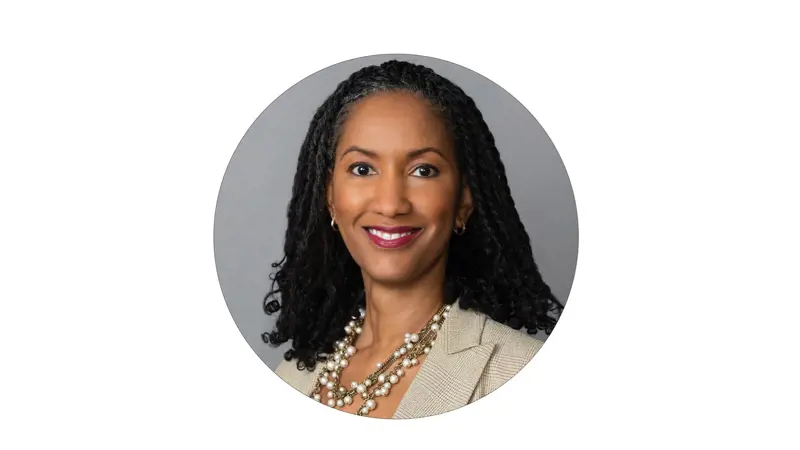
Dr. Jeremy Cannon
Surgeons possess a skillset uniquely suited to healing the wounds of war. Yet many may wonder: Must I join the military to serve in this way? And for those already in uniform: Am I truly prepared for the extreme demands of combat surgery? These articles illustrate how both civilian and military surgeons contribute meaningfully to the care of the combat wounded and others caught up in war’s violent mechanism.
Today, both civilian and military surgeons routinely use teleconsultation to guide far-forward colleagues in their decision-making. At my institution, we do this weekly with multiple hospitals treating combat casualties in Ukraine. For surgeons in uniform, forward deployment can become a defining professional experience—one that tests your clinical judgment, technical facility, and emotional resilience. To meet this challenge, both training and mental preparation are paramount. Relying on trusted colleagues and senior mentors is also invaluable. During my own deployments, that preparation—and access to experienced surgeons—proved essential as I encountered many conditions I had only read about: post-injury tension bilothorax, a massive echinococcal cyst, and neonatal omphalitis.
Ultimately, surgery is more than a technical discipline—it is a powerful force for good. In the world’s darkest places, surgeons can offer dignity, hope, and healing. Surgical diplomacy can change minds and instill goodwill in even the most fraught circumstances. If given an opportunity to serve in this way, take it without hesitation. You may find your sense of purpose and personal well-being uplifted and perhaps even radically transformed.
Humanitarian Surgeon Perspective
Dr. Girma Tefera
In most countries that are severely under-resourced—both in terms of material supplies and trained healthcare professionals—the healthcare landscape is often like that of natural disasters or war zones. There is a scarcity of essential medications, inadequate surgical and diagnostic equipment, limited access to anesthesia and blood products, and large patient volumes. In addition to the material shortages, the human resource gap further compounds the crisis. A small number of physicians, nurses, and allied health professionals are often responsible for serving large populations.
In the College of Surgeons of East, Central, and Southern Africa, the surgeon-to-population ratio was reported at 1:200,000. Humanitarians and volunteer surgeons from high-income countries provide support and help fill this gap. Moreover, as in disaster zones, the burden of trauma, preventable deaths, and untreated conditions is disproportionately high. In fact, 80%-90% of trauma-related death occurs in low- and middle-income countries.
In many ways, working in low-resource environments requires resourcefulness, adaptability, and creativity to provide lifesaving services to underserved communities.
The following articles describe the ingenuity and tenacity of a few of our surgeon members.